Interpretive Trail Markers
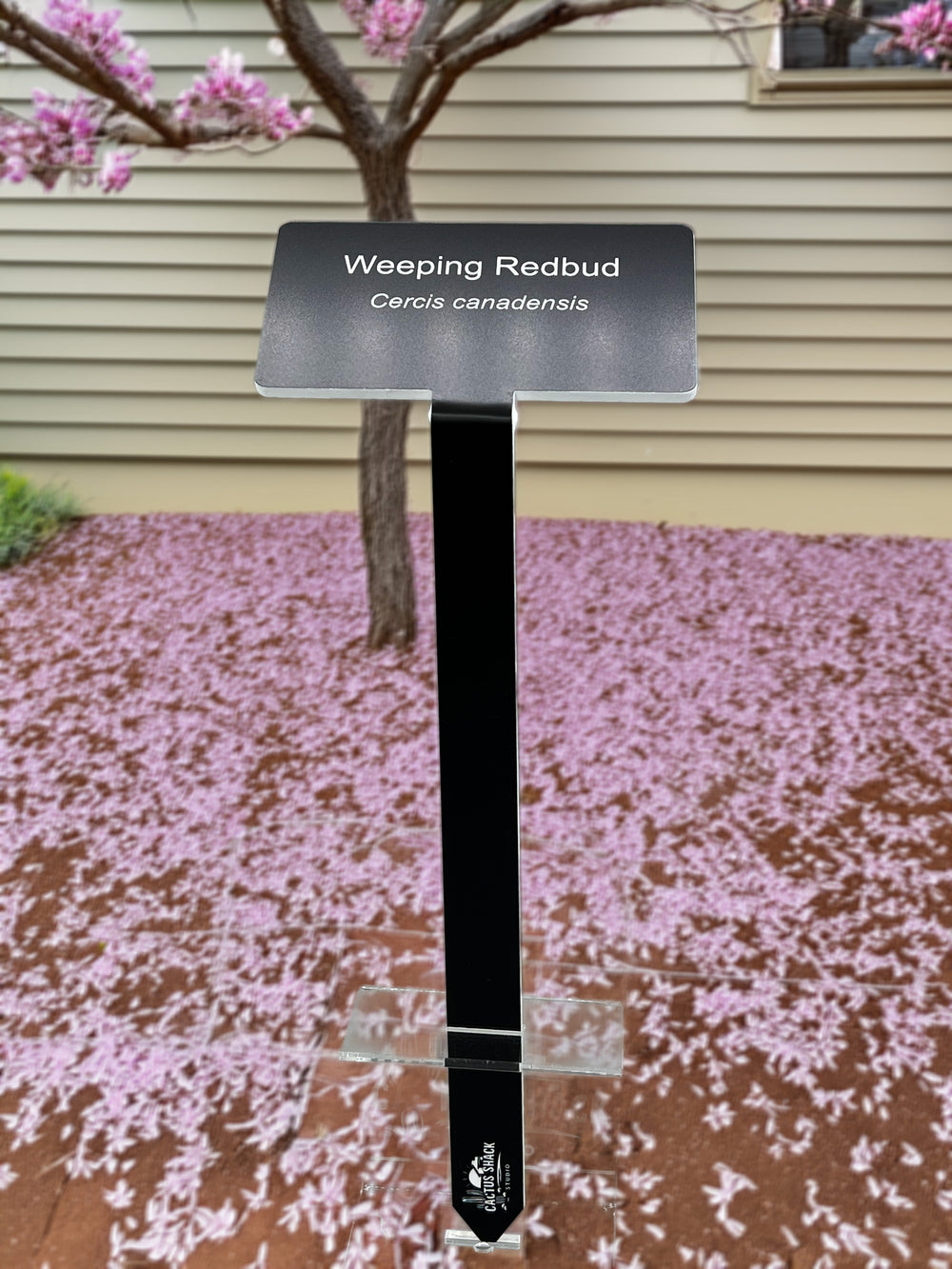
Engraved markers for interpretive trails, nature centers and demonstration plantings — species identification a visitor can read at walking pace, with a QR code carrying the detail the tag has no room for.

A trail marker has a different job from a garden marker. It is read standing up, at walking pace, by somebody who is not a botanist and did not come out to study. That flips the priority: common name first and large, botanical name underneath, and one fact worth stopping for. A collector wants the cultivar; a trail visitor wants to know why this tree has bark like that.
The QR code is the whole answer to how little text fits on a small tag. The marker stays clean and readable, and the full write-up — range, wildlife value, seasonal changes, whatever the site wants to say — lives behind the scan where it can be as long as it needs to be and can be updated without replacing anything in the ground.
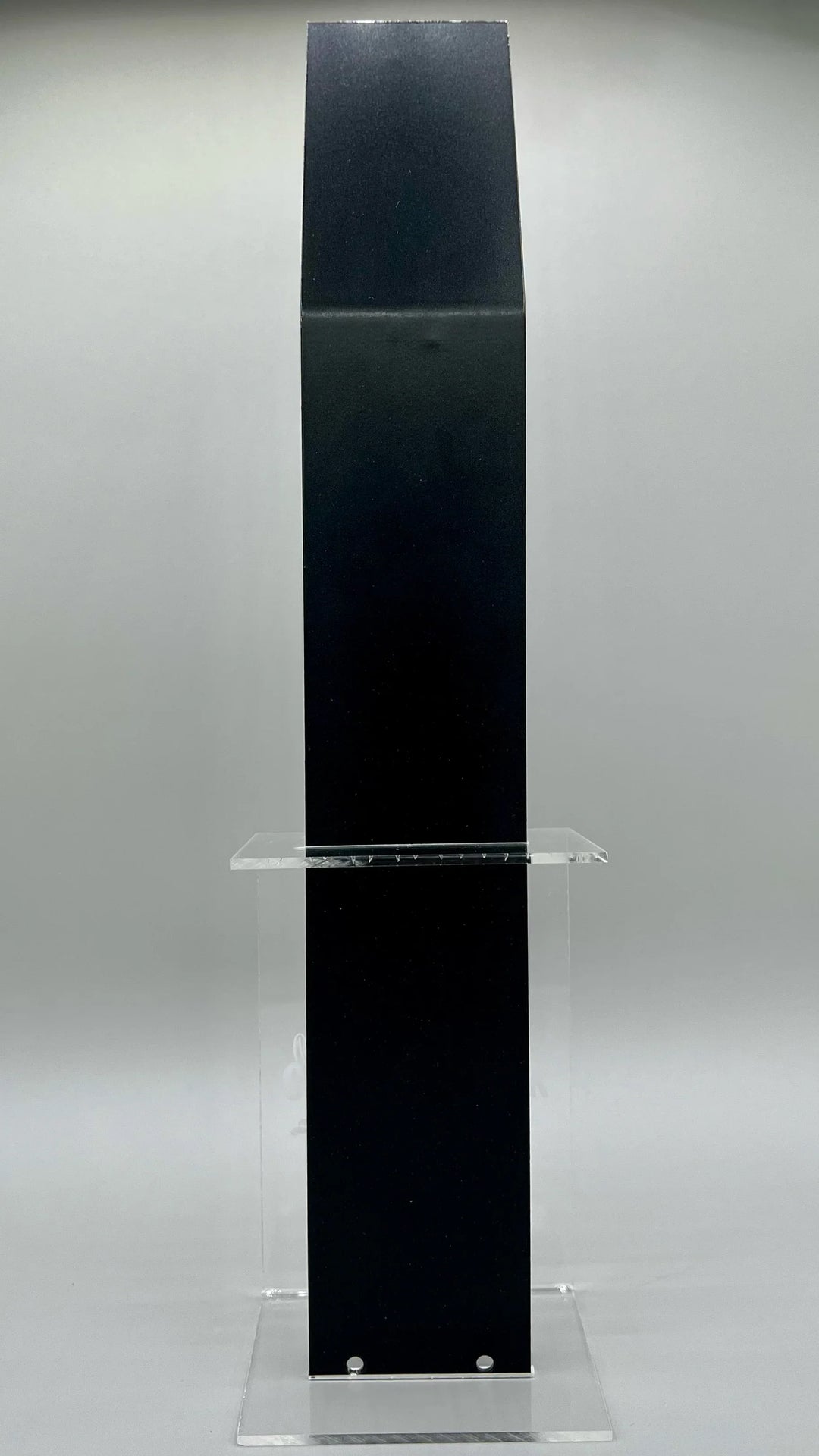
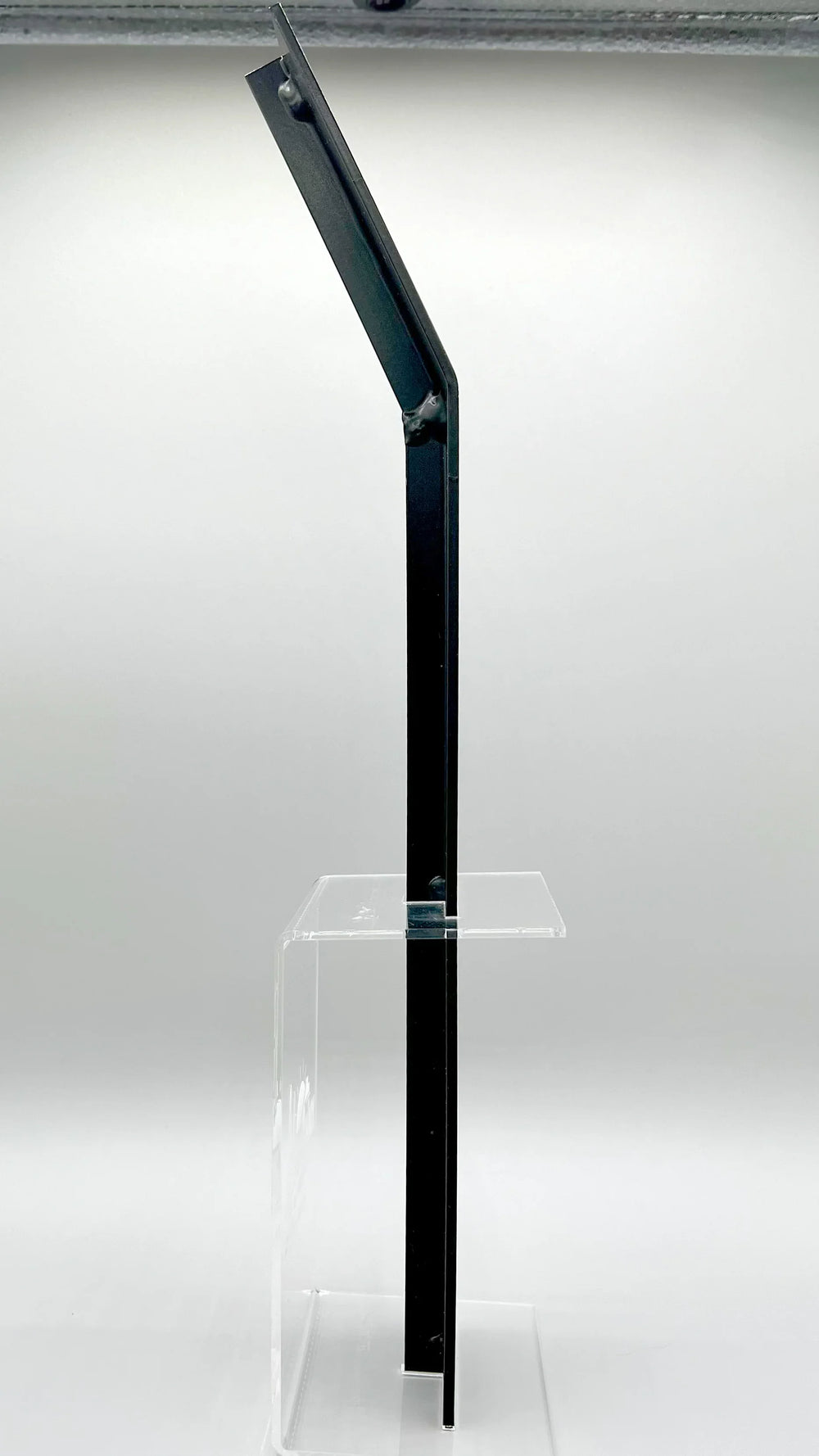
Aluminum is what I recommend for trails. Sun exposure on an open path is relentless, printed signage goes illegible within a season or two, and a marker that has to be replaced is a marker somebody has to walk out and replace. The extra-long commercial stakes matter more here than anywhere else — vegetation grows up around a station over a summer and a short stake vanishes into it.
Consistency across the whole trail is the thing that separates signage that reads as intentional from signage that reads as accumulated. Same format, same height, same material, station to station. That is a decision worth making before the first marker is ordered rather than after the twentieth.
Eagle Scout and Gold Award projects
Interpretive trail signage is one of the more common Eagle Scout service projects and Girl Scout Gold Award projects, and it is a good one — it is visible, it lasts, and the beneficiary organization keeps getting value from it long after the project is signed off. A few things I have learned that are worth knowing before you write the proposal.
- Get the plant list settled early, and get it from the beneficiary. The park, nature center, land trust or school usually has records, a site survey, or a naturalist who knows what is out there. Building the list yourself from scratch is where these projects lose weeks.
- Decide the format before you decide the quantity. How many lines, whether every station gets a QR code, what height the stakes stand at. Changing the format halfway through means the first ten stations do not match the last ten.
- You will need a firm per-unit number for the proposal. Budgets get approved on paper before anything is ordered, and most of these projects raise the money first. Ask me for a written quote you can attach — I would rather you have a real number in the proposal than an estimate you have to revise.
- Build in the handover. The project has to survive after you have moved on, so durability is not just a quality question, it is part of what you are promising the beneficiary. Engraved aluminum is straightforward to defend to a council reviewer.
- Give yourself margin on timing. Proposal approval, fundraising, ordering and an installation day with volunteers is a longer chain than it looks. Tell me your installation date and I will tell you honestly whether it works.
Send me the plant list as a spreadsheet, however messy. I sort out the formatting, keep every station consistent, and check the botanical names before anything goes on the laser — a misspelled species name on a public trail is the kind of thing that gets noticed and stays noticed.
Engraved rather than printed, made one at a time in Phoenix, Arizona.